キャットストリート ヴィンテージショッピングガイド2026
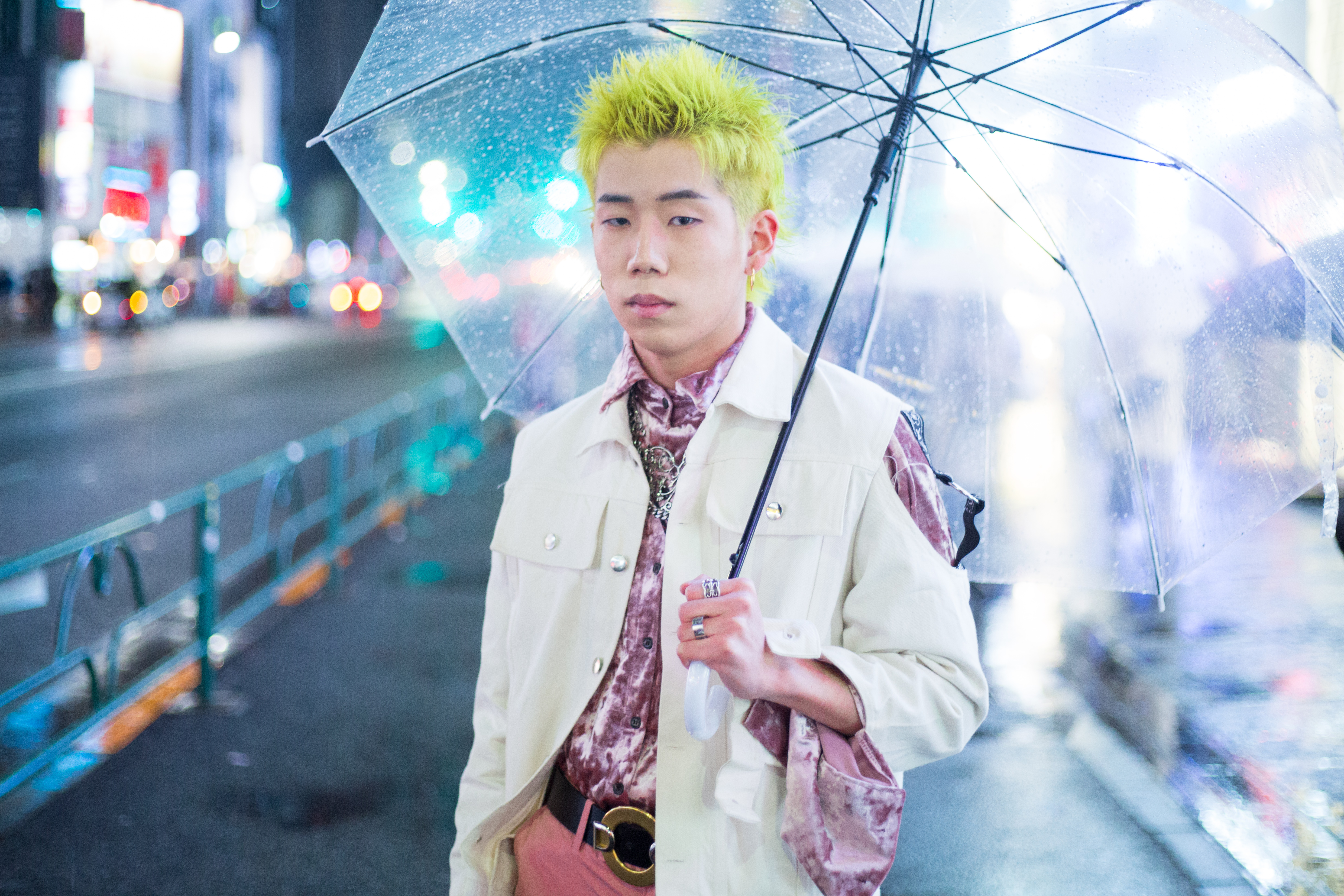
原宿から渋谷へ裏原宿の路地を通ってつなぐ歩行者専用路、キャットストリートは、2026年の東京のインディペンデントファッション文化が実際に息づいている場所です。竹下通りが観光客の量をさばき、表参道がラグジュアリーフラッグシップを抱える一方、キャットストリートはヴィンテージのアメカジ、中古デザイナーズ、日本のインディーズデザイナー、そして東京のクリエイティブファッションシーンを定義するような小さなブティックが見つかる場所です。この通りは一本の道路というより、竹下通りと表参道の間に広がる裏路地のネットワークで、特定の目的地を決めずに徒歩で散策するのが最も良い探索方法です。
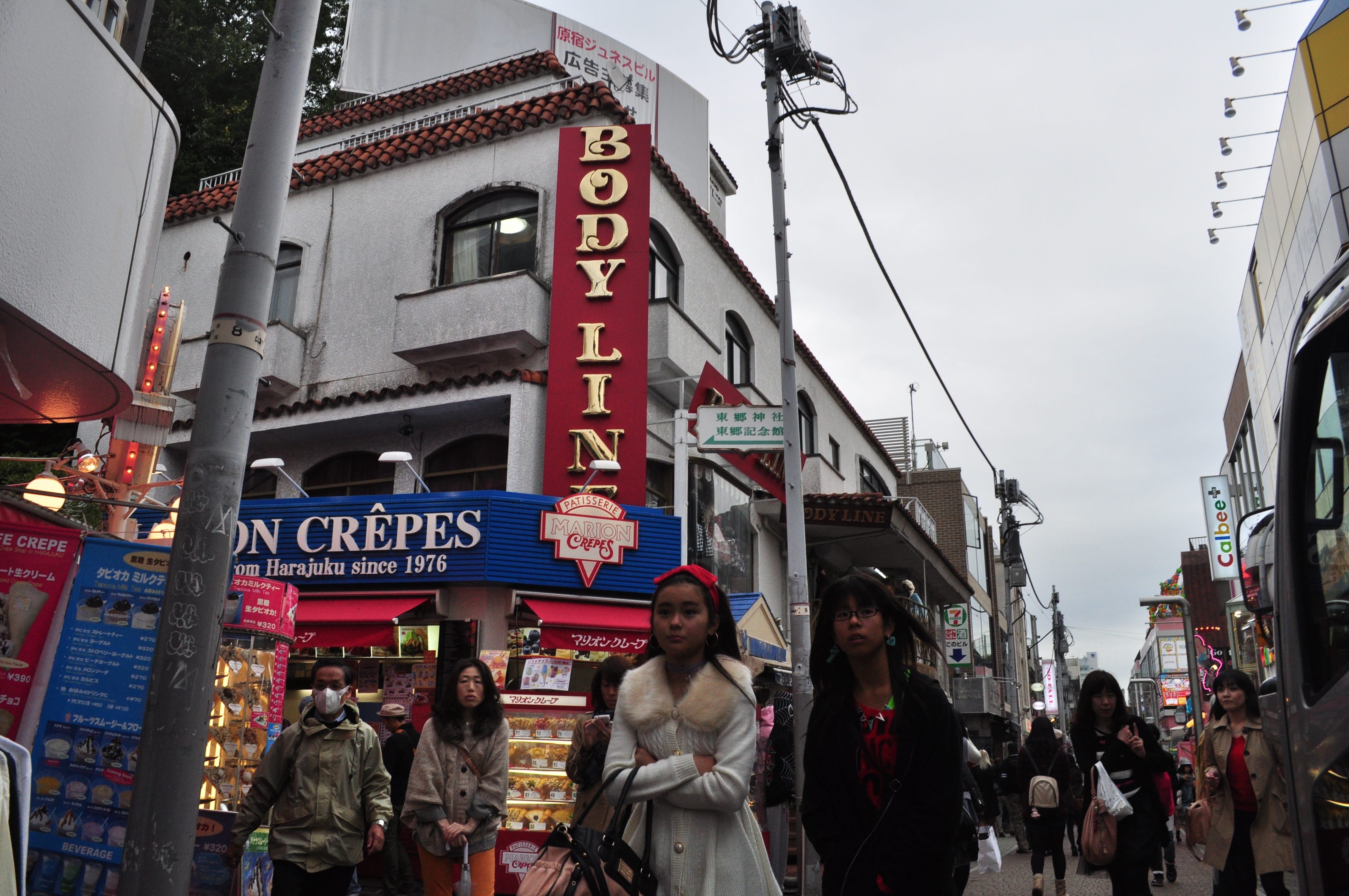
キャットストリート経由で竹下から渋谷まで歩くと、止まらなければ約15分です。たった3軒でも立ち寄れば2時間になります。通り沿いにはヴィンテージ衣料店、セレクトブティック、コーヒーショップ、レコード店、そしてスタッフが本当に売っているものを理解しているスケート&ストリートウェアの専門店が並んでいます。竹下通りとの対比は鮮明です。より静かで、より厳選されており、自分が何を探しているかを知る顧客向けです。
中核となるヴィンテージショップ
Flamingoはキャットストリートのアメカジヴィンテージの中心的存在で、革ジャン、古いバンドTシャツ、リメイクデニムで知られています。価格は東京のヴィンテージの中程度で、ほとんどのアイテムが3,000〜15,000円です。店舗は小さく密集しており、品揃えは頻繁に入れ替わります。Ragtagは中古デザイナーズの選択肢で、A Bathing Ape、Vivienne Westwood、Marc Jacobs、日本のデザイナーズラベルを、再販価値を反映した価格で取り扱っています。ここは東京のクールな若者たちが前シーズンの買い物を資金にするために売りに来る場所です。
Kinjiはこのエリアで最大のヴィンテージ品揃えを誇り、アップサイクルされた着物アイテムやリメイクデニムと並んで標準的なアメカジヴィンテージも取り扱っています。もう一つの長年営業する原宿ヴィンテージの老舗Chicagoは、アメカジヴィンテージに時折驚くような価格で伝統的な着物を組み合わせています。KinjiもChicagoも何十年も営業しており、新着を確認するために毎週通う常連客がいます。回転は常に行われており、良いアイテムはすぐに動きます。
キャットストリートのコーヒーと休憩スポット
The Roastery by Nozyは、ほぼすべての原宿ガイドに登場するコーヒー休憩スポットです。理由があります。同店は店舗でシングルオリジンの豆を焙煎し、600円からのハンドドリップコーヒーを提供しています。小さく、混雑していて、本物においしいです。The Roasteryはキャットストリートのファッションコミュニティの待ち合わせ場所となっており、歩道には通りを行き交う人々を眺める人々がたびたたずんでいます。
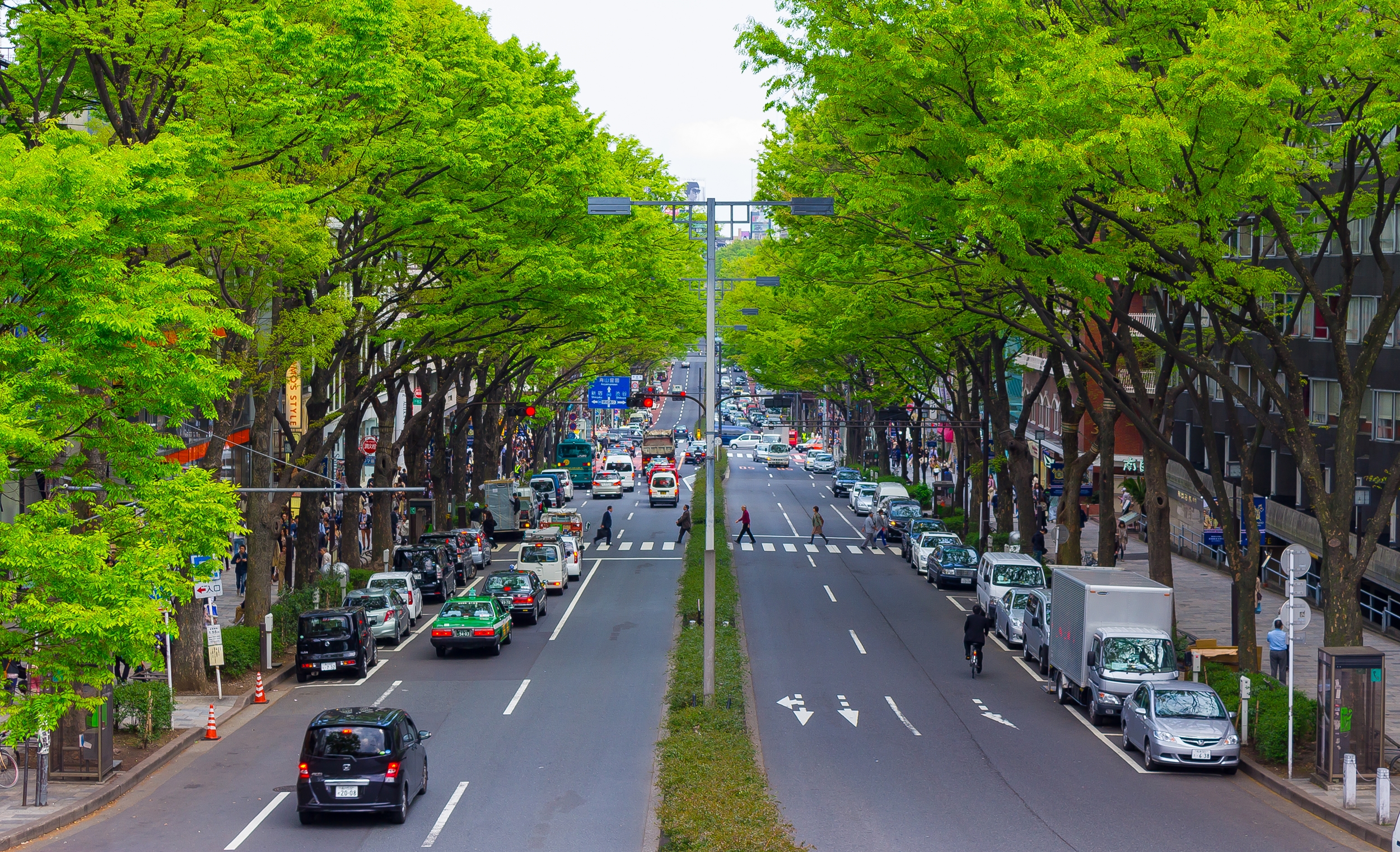
少し長めの休憩には、表参道ヒルズの地下や大通りから脇にそれた通りに、本格的なエスプレッソマシンとペストリープログラムを持ついくつかのインディペンデントカフェがあります。ブルーボトルコーヒー青山はキャットストリートから青山方面へ10分ほど歩いた場所にあり、このエリアで最も安定したコーヒーの質を提供します。青山通りのスパイラルビル内にあるスパイラルカフェももう一つの選択肢で、キャットストリートの美学に合う落ち着いた雰囲気とデザイン志向の客層が特徴です。
基本情報
- Flamingo: キャットストリート、裏原宿。アメカジヴィンテージとリメイクデニム。価格3,000〜15,000円
- Ragtag: キャットストリート周辺。BAPE、Vivienne Westwoodなど中古デザイナーズ。価格10,000〜50,000円以上
- The Roastery by Nozy: キャットストリート。シングルオリジン・ハンドドリップコーヒー600円から。8:00〜18:00
- 最寄り駅: JR原宿駅(竹下口、キャットストリートへ徒歩10分)、東京メトロ明治神宮前駅、東京メトロ表参道駅
- おすすめ時間帯: 平日の午後。週末は混雑し、多くの店は限られた閲覧スペースしかありません